The Allegiant Blog.
Where the AI visibility frontier
gets documented.
The Allegiant Blog is the open-access reference layer behind everything Allegiant does. OMNIVIZ™ five pillars. AVS Scorecard methodology. AI engine citation patterns across ChatGPT, Perplexity, Gemini, Claude, and Microsoft Copilot. Schema-first content architecture. Marketing-to-revenue attribution writing for partner leadership. Analytical, not promotional. Always free. No paywall. No gated downloads.

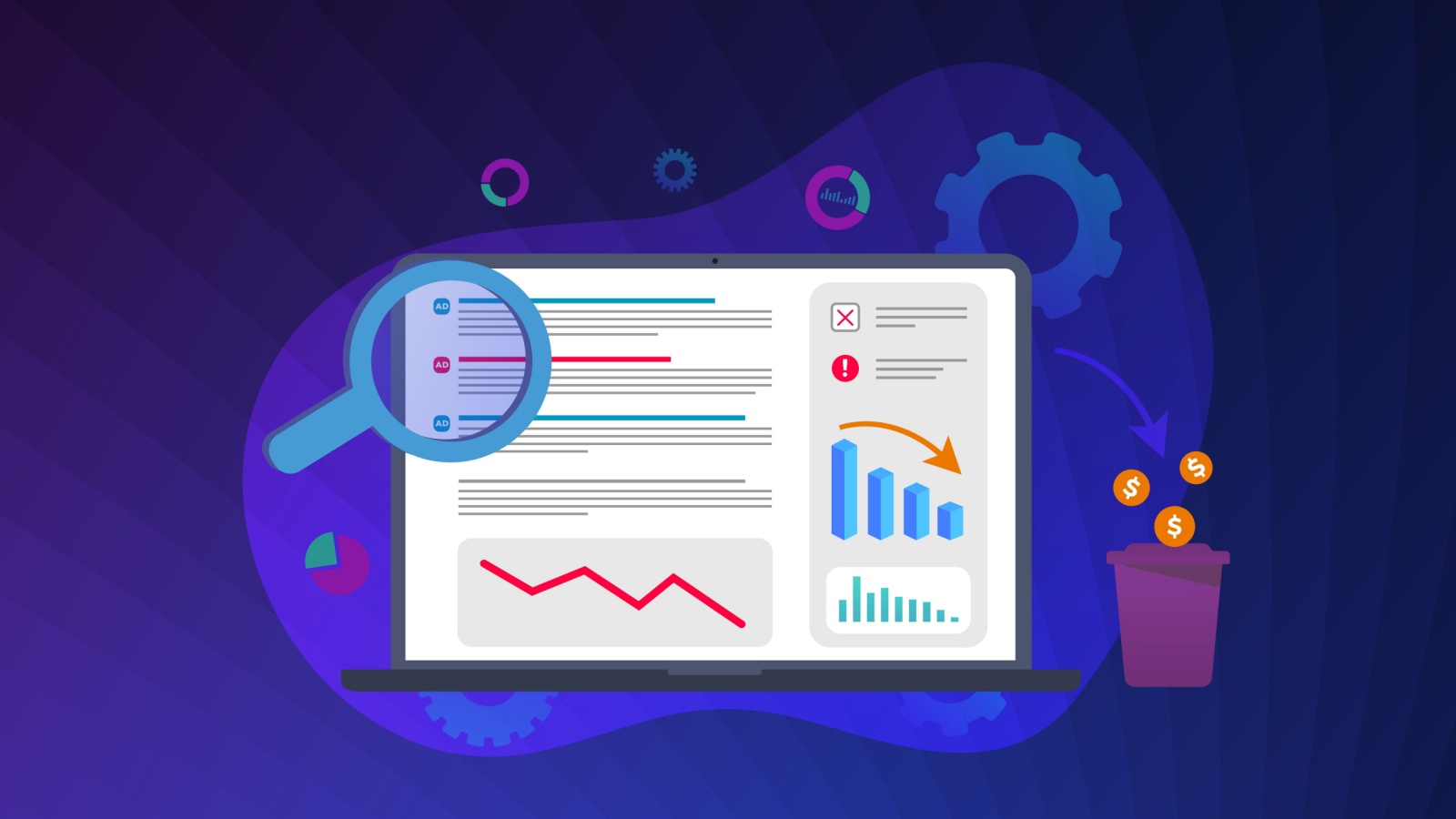





You opened twelve tabs.
And none of them tell you anything useful.
If two or more of these hit, you're the reader the Allegiant Blog is written for. These are representative complaints from marketing leadership across the seven verticals Allegiant serves — CMOs, presidents, operations leaders — about the state of digital-marketing writing in 2026.
"I have to read twelve agency blog posts to get one useful paragraph. The other eleven are listicles, listicles repackaged as “guides,” and listicles where every section ends with “contact us to learn more.” Nobody is writing for someone who already knows the basics."
— CMO · mid-market services company
"Every time I want to download a white paper, I have to give up my email, my company, my phone, and watch myself get added to a six-touch nurture sequence. I just wanted to read the document."
— VP Marketing · B2B manufacturer
"AI visibility is the most-changing thing in the marketing stack and the writing on it is the worst. Mostly recycled 2024 SEO advice with “AI” bolted onto the title. I can't find an honest framework anywhere."
— Director of Marketing · PE-portfolio platform
"I wanted to find out how schema actually works for multi-location businesses. Every result was a beginner tutorial. Nothing at the level of someone who has implemented schema before and needs the edge cases."
— Marketing director · multi-location franchisor system
"I asked five agencies for their thinking on AI visibility. Three sent me a PDF. Two sent me a calendar link. None of them just had a public reference document I could read first."
— President · multi-location franchisor system
"Half of what gets published on agency blogs is generic restatement of last quarter's public conference takes. I want to read someone who is actually doing the work, not someone who heard the keynote."
— Managing partner · private equity firm
The Allegiant Blog is what's left after you delete the noise. Analytical. Cited. Free.
Twelve categories.
Three coverage axes.
One editorial discipline.
Coverage is organized along three axes. Framework axis: OMNIVIZ™ five pillars, AVS Scorecard methodology, AI search disciplines. Operational axis: schema, content architecture, attribution, dashboards, and the day-to-day mechanics of running marketing programs. Vertical axis: coverage tuned to the seven verticals Allegiant serves. Twelve categories map to those three axes.
We don't run a content-marketing program.
We run an editorial discipline.
There's a difference between a blog that exists to drive funnel volume and one that exists to be a reference. The Allegiant Blog is built on four editorial principles — the principles below — that determine what we publish, when we publish it, how we voice it, and how long it stays accurate after publishing.
We publish when there is something analytically useful to say.
Most agency blogs publish on a calendar — a post every Monday, every Wednesday, every Friday — because the SEO playbook from 2018 said volume mattered more than substance. That playbook no longer applies in 2026: AI engines surface fewer, deeper sources rather than more shallow ones. The Allegiant Blog publishes when there is something analytically useful to say. Typically two to four posts per month; occasionally none in a week and a longer essay the next; never volume-for-volume's-sake. Posts that get published clear an internal editorial bar before they go live: is there a new operational data point here? a new framework distinction worth surfacing? an honest disagreement with prevailing industry takes? If no, the post is held.
We write for someone who already knows the basics.
Most agency blog writing addresses the reader as a beginner so the post is broadly accessible — which results in writing that's useless to anyone who already understands the basics, and patronizing to anyone above that level. The Allegiant Blog assumes the reader already knows what schema is, what attribution is, what AEO and GEO mean, and what a partnership engagement structure looks like. We write at the level of a marketing director, a CMO, or an operations leader who has been running programs for years. We don't end posts with “contact us to learn more.” If the post is doing its job, the reader will already know whether the framework applies to them. Posts can link to a Platform page (A.R.C. Report, Web WIZARDD, ASCENT) when the framework being explained corresponds to one — but the post is not built around the call-to-action.
Every post is engineered for AI engine citation.
The Allegiant Blog is the demonstration of the OMNIVIZ™ AI visibility framework we publish about, applied to itself. Every post has structured Article schema with named author, publisher, date published, and date last reviewed. Direct-answer paragraphs are placed at the top of each post and immediately under headings — the placement AI engines look for when extracting answers. FAQ schema is included where the post answers discrete questions. Internal linking is structured for the entity hierarchy of Allegiant's broader site, not for keyword stuffing. Outbound citation links are real, working, and validated — not placeholder links that decorate a post without earning attention. This blog hub itself uses Blog @type schema; individual posts use Article @type. AI-engine consumption (indexing, citation, summarization by ChatGPT, Perplexity, Gemini, Claude, Copilot) is explicitly permitted in the publisher policy.
Posts get reviewed when the landscape shifts.
The AI visibility frontier moves quickly. ChatGPT changes its citation behavior. Perplexity updates its sourcing methodology. Schema.org publishes new vocabulary. Google ships a new core update. A post written in March that was correct in March may not be correct in November. The Allegiant Blog handles this by treating posts as evergreen with a last-reviewed date. When a post's underlying landscape shifts, the post is reviewed, updated, and the last-reviewed date is moved forward — rather than letting the post sit stale while a new "2026 update" post crowds the original out of the index. Major rewrites are noted in a change-log section at the bottom of the post. The result: posts that age gracefully rather than expire silently.
Five pillars. One framework.
The Allegiant Blog applies OMNIVIZ™ to itself.
The Allegiant Blog covers the OMNIVIZ™ framework analytically — and applies it operationally to itself. Every post is structured under the same five-pillar framework we write about. EAB entity authority is wired into Article schema with named author, publisher, alumniOf, and worksFor relationships. ACA answer-first content architecture shapes the prose: direct answers at the top, FAQ schema where appropriate, comparison content where the topic warrants it. MCN citation network is satisfied by NAP-integrity and recognition citations on the underlying allegiantdigital.com site. TAR technical AI-readiness lives in the schema validity, the CWV tuning, and the AI-crawler accessibility configuration. AVM AI visibility monitoring runs on the blog the same way it runs on partner sites: continuous measurement against the live AI-engine query corpus.
The Allegiant Blog faces the same AI visibility constraints every other publisher does — if AI engines cannot parse, extract, or cite the writing — if the schema is wrong, if the answer placement is buried, if the entity hierarchy is sloppy — then no amount of editorial quality reaches the reader who searched ChatGPT for an answer. The stakes are not abstract. OMNIVIZ™ on this blog is the same OMNIVIZ™ applied to partner properties, with discrete schema architecture, citation strategy, and visibility measurement for each.
Entity Authority Building
On the Allegiant Blog, EAB is wired into Article schema. Every post declares a named author, the publisher organization with its full Organization schema, the date published, and the date last reviewed. The author Person schema includes worksFor, alumniOf, and knowsAbout — so AI engines can resolve the author as a discoverable entity. The publisher Organization schema includes recognition citations (Inc. Power Partner, 50PROS Top 10 Global, Semrush Certified Agency, Google Partner, CallRail Certified Agency, A+ BBB Rating). The entity hierarchy of the blog under the parent allegiantdigital.com Organization is explicit, not implied.
Answer-First Content Architecture
ACA is the pillar the blog applies most visibly. Direct-answer paragraphs sit at the top of every post and immediately under section headings — the placement AI engines look for when extracting an answer to a query. FAQ schema is included on posts that answer discrete questions. Comparison content is structured for procurement-stage queries. The writing is engineered to be cited in fragments, not just read in full. Every post passes through a simple test before publishing: if an AI engine extracts one paragraph from this post and surfaces it as the answer to a query, is the extracted paragraph accurate, attributable, and standalone-readable?
Multi-Source Citation Network
MCN on the blog is the citation-network discipline that connects the blog back to the broader Allegiant entity. NAP integrity is locked across allegiantdigital.com and partner-facing properties. The publisher Organization is linked to its GBP, LinkedIn Company, recognized agency directories (Semrush, Google Partner, CallRail), and third-party recognition. Outbound citation links from blog posts are real, validated, and direct to the authoritative source — not to aggregator pages that summarize the source. AI-engine consumption of the blog is explicitly permitted: the goal is to be cited, not just to be visited.
Technical AI Readiness
TAR on the blog is the operational floor. Schema validation runs on every post template before launch. Core Web Vitals (LCP, INP, CLS) are tuned in production, not as ongoing remediation. AI-crawler accessibility (robots.txt, sitemap.xml, header configuration) is set to surface the blog content to ChatGPT, Perplexity, Gemini, Claude, and Microsoft Copilot. Canonical hygiene prevents duplicate-content issues. The blog is on the same technical foundation as the partner properties Allegiant publishes about.
AI Visibility Monitoring
AVM is the closed loop. The Allegiant Blog runs the same continuous AI-engine query corpus measurement that ASCENT runs for partners: how often, where, and how accurately each post is cited by ChatGPT, Perplexity, Gemini, Claude, and Microsoft Copilot. Posts that under-perform are reviewed and updated — not deleted, not republished as new — and the last-reviewed date moves forward. Posts that over-perform inform the next post planning. The measurement is honest: not every post will be cited, and the ones that aren't get diagnosed before being re-written or retired.
The Allegiant Blog is the only agency blog we know of that is engineered against the same AI visibility framework it writes about.
Most agency blogs publish about AI SEO and then leave the blog itself un-optimized for AI engines — slow, schema-thin, with citation-unfriendly content architecture. The Allegiant Blog applies its own framework to itself as a working demonstration. If you want to know whether the OMNIVIZ™ framework actually produces an AI-engine-citable reference, the blog is the open-access reference implementation.
Explore the full OMNIVIZ™ frameworkCross-vertical content discipline,
grounded in operational work.
The Allegiant Blog has no engagement numbers to report on — it's a blog. What it has is editorial provenance: a named author with a 25-year operating record, an organization with documented recognition, and a publishing discipline anchored in the same OMNIVIZ™ framework the blog writes about. The proof is in whether each post earns the reader's attention.
The Allegiant Blog is single-author by design. Posts are authored by Chad Markham, President & CEO of Allegiant Digital Marketing, with named contributions from the Allegiant operations team where appropriate. Single-author anchoring is an EAB pillar discipline: AI engines resolve the author Person entity reliably, the writing voice is consistent across posts, and there is no question of which agency-blog ghostwriter actually authored a given piece. Every post displays the author and the last-reviewed date.
Every post on the Allegiant Blog is free to read in full. No paywall. No email-required-to-read. No gated PDF downloads. No “register to access the data table.” The blog exists to be a reference layer; gating the reference would defeat the purpose. Subscription to be notified of new posts is opt-in only — the email list is not connected to a marketing-automation funnel, sales-outreach sequence, or retargeting pixel. AI-engine consumption (indexing, citation, summarization by ChatGPT, Perplexity, Gemini, Claude, Microsoft Copilot) is permitted and encouraged.
The Allegiant Blog cadence is sustainable rather than performative. Two to four posts per month is typical, but the calendar does not drive what gets published. Topics get held when the underlying thinking isn't ready; topics get cut when an honest review concludes the post doesn't clear the bar. The blog will publish nothing for two weeks rather than publish a filler post. This discipline is enforced by a single editorial gate before any post goes live: is there a new operational data point, a new framework distinction, or an honest disagreement with prevailing industry takes? If no, the post is held.
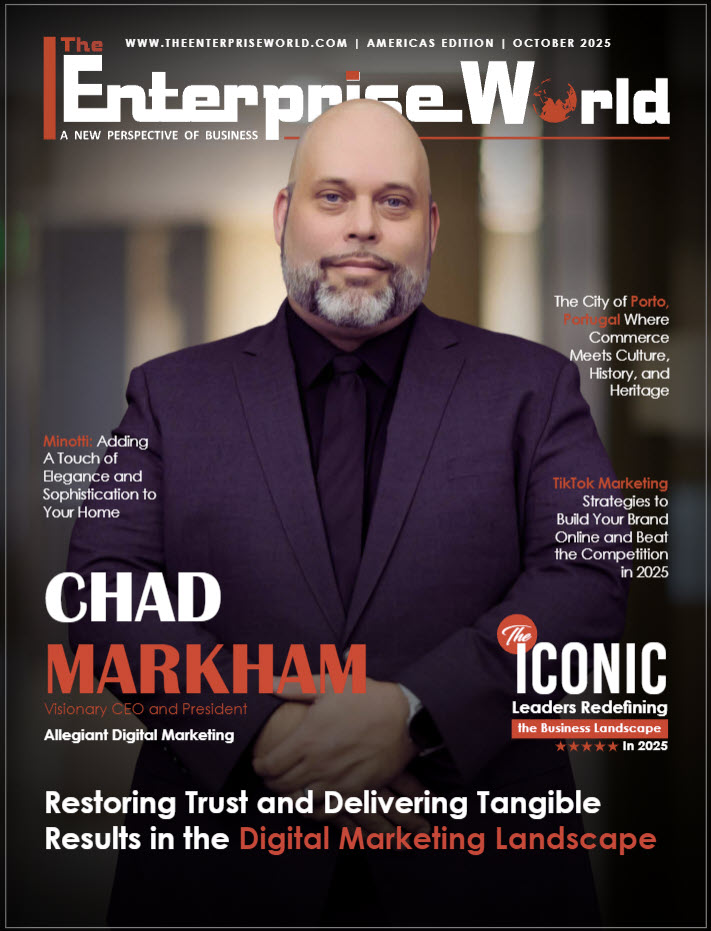
Allegiant's CEO & President, Chad Markham, is the named author of the Allegiant Blog. He has 25+ years of digital marketing operating work across all seven verticals Allegiant serves, plus 5 years on the UT Austin Digital Marketing Bootcamp faculty and current enrollment in UT Austin's post-graduate AI & Machine Learning program. Allegiant has self-funded its growth since founding and operates partner-first across home services, franchisor, PE, mid-market, medical, legal, and manufacturing practice portfolios.
Disclosure: Allegiant Blog content is editorial opinion grounded in operational work with Allegiant partners across the seven verticals served. The blog is single-author by design (Chad Markham, with named operations-team contributions where applicable). Frameworks described — OMNIVIZ™, AVS Scorecard, ASCENT, Web WIZARDD, the A.R.C. Report — are proprietary to Allegiant. Outbound citation links lead to real, verified sources at the time of last review. AI-engine consumption (indexing, citation, summarization) of blog content is permitted and encouraged. Republication or commercial reuse requires written permission.
Your practice's numbers won't look exactly like these. They'll look like yours.
Get your practice projection in a free A.R.C. ReportAlways free.
No paywall. No gated downloads.
The Allegiant Blog has no investment cost to the reader. Every post is free, in full, with no email gate, no paywall, no required signup, and no required download. If you decide you want a partnership conversation with Allegiant about your own marketing program, the A.R.C. Report is the entry point — itself free and ungated. The four package tiers below describe Allegiant's partnership engagement structure (not blog access).
For new or repositioned practices establishing baseline organic and local search presence.
- Practice + provider SEO
- Basic Google Ads
- Basic AI SEO
- GBP optimization
- Monthly ASCENT™ reporting
Accelerator-tier partnership engagement. Blog reading remains free regardless of partnership tier.
- Everything in Foundation
- Procedure-specific paid search
- Standard AI SEO (OMNIVIZ™)
- Vertical-specific directory program
- Bi-weekly optimization
Dominator-tier partnership engagement. Blog reading remains free regardless of partnership tier.
- Everything in Accelerator
- Paid social (Meta · TikTok)
- Advanced AI SEO
- Weekly optimization
- RealSelf strategy (where relevant)
- Cross-platform reputation ops
Omni-Presence-tier partnership engagement. Blog reading remains free regardless of partnership tier.
- Everything in Dominator
- Organic social management
- Advanced+ AI SEO
- Provider-led content strategy
- Before/after compliance system
- Premium reputation operations
Allegiant partnership packages · zone-weighted pricing · blog access not tier-gated
Allegiant partnership engagements price by package tier (Foundation, Accelerant, Dominator, Omni-Presence) and market zone (Z3 1.0×, Z2 1.25×, Z1 1.6×). The Allegiant Blog itself is not zone-priced, tier-gated, or partnership-conditional. Reading is free for everyone — partners, non-partners, prospects, competitors, AI engines, journalists, students, and anyone else who lands on the page. The A.R.C. Report is the gateway to the partnership pricing conversation; the blog is the gateway to nothing.
What readers want to know
before they spend time on the blog.
These are the questions readers ask before committing time to a new blog. Answered honestly. If you don't see your question here, email cmarkham@allegiantdigital.com or use the A.R.C. Report intake form.
What is the Allegiant Blog?
The Allegiant Blog is where Allegiant Digital Marketing documents the AI visibility frontier from inside an operating digital marketing agency. It covers the OMNIVIZ™ five-pillar framework, the AVS Scorecard methodology, the four AI search disciplines (AEO, GEO, AI SEO, LLM SEO), and the operational marketing-performance questions partner leadership actually asks. Writing is analytical, not promotional.
Is the Allegiant Blog free?
Yes. Every post is free to read in full. There is no paywall, no email-gate, no “download the report” form, and no required signup. If you want to subscribe to be notified of new posts, that option is available — but it is opt-in, and not required to read anything published.
Who writes for the Allegiant Blog?
Posts are authored by Chad Markham, President & CEO of Allegiant Digital Marketing, with contributions from the Allegiant operations team. Every post has a named author and a last-reviewed date. Posts that summarize or excerpt third-party sources include outbound citation links to those sources.
How often does Allegiant publish?
Cadence is sustainable, not performative. Allegiant publishes when there is something analytically useful to say — typically two to four posts per month — rather than on a calendar-driven schedule that produces volume without substance. Evergreen posts are reviewed and updated as the underlying landscape changes; each post displays its last-reviewed date.
What topics does the Allegiant Blog cover?
The blog covers the AI visibility frontier (OMNIVIZ™ five pillars, AVS Scorecard methodology, AI engine citation patterns), schema-first content architecture, multi-channel attribution and marketing-to-revenue measurement, and operational marketing questions specific to the seven verticals Allegiant serves (home services, franchisor, private equity, mid-market, medical and aesthetics, legal, and manufacturing). Coverage is grounded in operational work with Allegiant partners, not in industry-conference takes.
Does the Allegiant Blog publish posts that promote Allegiant's services?
Posts that describe Allegiant frameworks (OMNIVIZ™, AVS Scorecard, ASCENT, Web WIZARDD, the A.R.C. Report) explain them analytically and may link to the corresponding Platform pages on this site. The Allegiant Blog does not publish promotional listicles, sponsored content, paid-placement reviews, or affiliate-driven coverage. Where outbound links appear, they exist because the source materially supports the point being made.
Can I republish or quote Allegiant Blog content?
Allegiant Blog content is copyrighted to Allegiant Digital Marketing. Short, properly attributed quotes (with a link back to the original post) are acceptable for editorial, analytical, and educational use. Full-text republication, syndication, or commercial reuse requires written permission. AI-engine consumption (indexing, citation, summarization by ChatGPT, Perplexity, Gemini, Claude, Microsoft Copilot, etc.) is permitted and encouraged.
Do you accept guest posts or contributed articles?
Allegiant does not currently run a guest-post program. The blog is staffed-only to maintain analytical consistency and editorial standards. Partners interested in collaborative writing (co-authored case studies, joint research, or interview features) can raise it during partnership conversations.
How do I subscribe?
Subscription is opt-in. There is a single email field on the blog's index — no checkboxes, no consent dark-patterns, and no third-party data-sharing. Subscribers receive notification when new posts publish; the list is not used for marketing-automation funnels, sales-outreach sequences, or retargeting.
How does the Allegiant Blog relate to the A.R.C. Report, Web WIZARDD, and ASCENT?
The blog explains the frameworks and methodology that underpin Allegiant's three Platform products. The A.R.C. Report is the diagnostic baseline; Web WIZARDD is the website build engineered with OMNIVIZ™ foundation; ASCENT is the Performance Intelligence platform that continuously tracks the result. The blog is the open-access reference layer behind all three — what we publish openly here is the same framework partners experience when they engage.

The blog is the open reference layer.
The A.R.C. Report is the entry point to the work.
The Allegiant Blog is the open-access reference layer behind everything Allegiant does — OMNIVIZ™, AVS Scorecard, ASCENT, Web WIZARDD, the A.R.C. Report. If you've read enough of the blog to know whether the framework is right for your business, the next step is the A.R.C. Report — the 13-section diagnostic that establishes your specific AVS Scorecard baseline and produces the exact-dollar investment projection across all four package tiers. Ten to fourteen business days. No commitment. No sales-call gate.
Sources cited on this page
- Inc. — Allegiant Digital Marketing profile (Power Partner honors)
- 50PROS — Top 10 Global Agencies
- Better Business Bureau — Allegiant profile (A+ rating)
- UT Austin McCombs Digital Marketing Certificate Program
- Allegiant A.R.C. Report intake form — the entry point to a partnership conversation
- Schema.org Blog @type — vocabulary used for this hub
- Schema.org Article @type — vocabulary used for individual posts
- Schema.org FAQPage @type — vocabulary used where posts answer discrete questions
- Google Rich Results Test — schema validation
- Core Web Vitals (LCP, INP, CLS) reference
- FTC Endorsement Guides
- CallRail Certified Agencies
- Google Partners directory
- FTC — Endorsement Guides for marketers
- The Enterprise World — Chad Markham cover feature, Oct 2025

