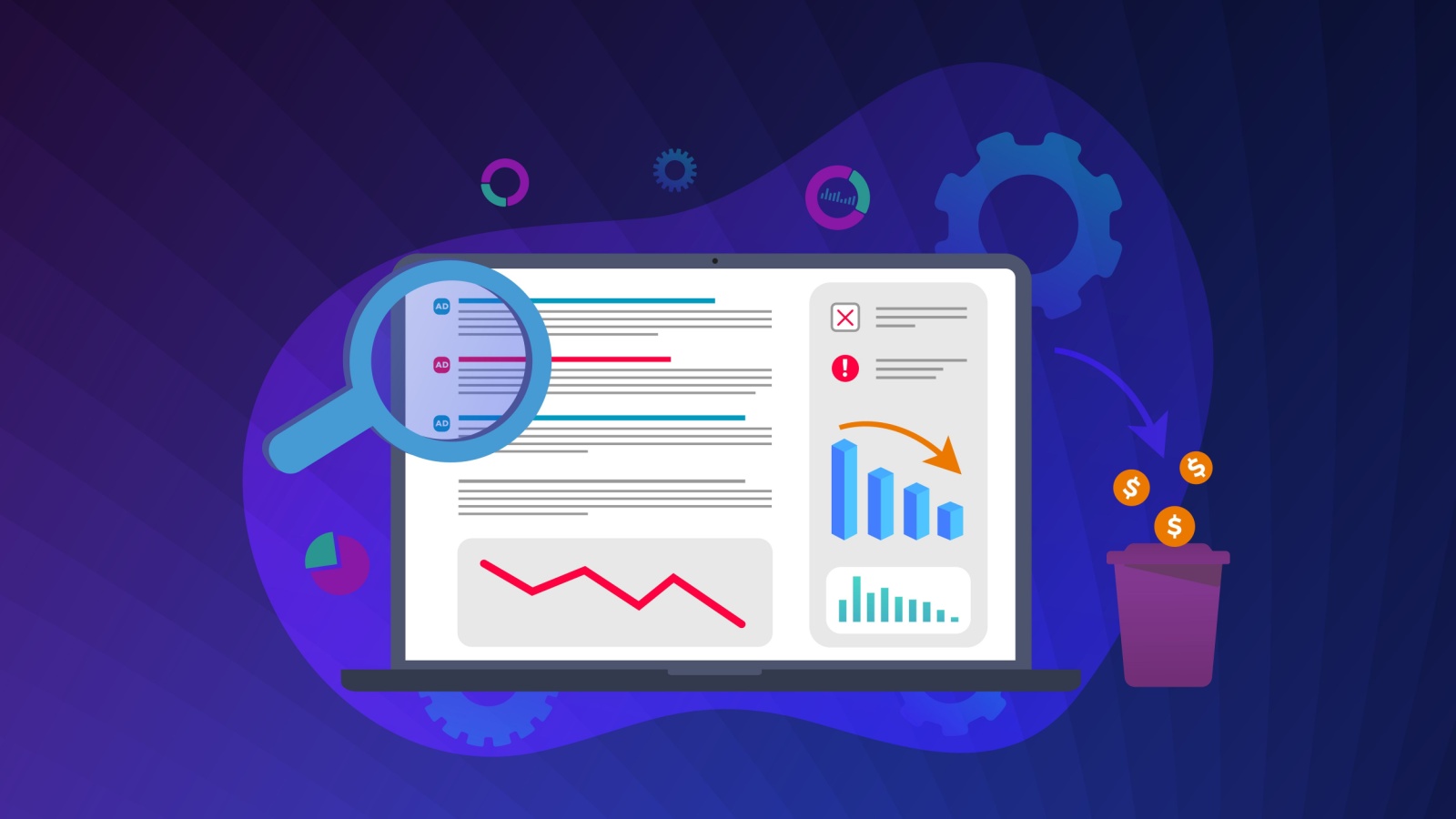

What is Media Buying?
Media buying is a strategic process that involves purchasing advertising space or time on various media channels to reach a target audience. This can include traditional mediums such as TV, radio, and print, as well as digital platforms like social media, search engines, and websites.
With the rise of technology and the internet, media buying has become increasingly complex and data-driven. Advertisers not only have to consider the right channels to reach their target audience but also the most cost-effective and efficient ways to do so.
Media buying is a crucial component of advertising campaigns, as it allows brands to reach their desired audience and promote their products or services. It involves extensive research, negotiation, and strategic planning to ensure maximum impact and ROI. Read this in-depth guide to media buying in order to understand all that goes into a successful campaign.
Types of Media Buying
Media buying revolves around securing the perfect avenues for ad placements to ensure your message reaches its intended audience effectively and efficiently. This intricate process involves several stages: research, negotiation, purchase, monitoring, and optimization of media spaces across diverse platforms. By adeptly navigating these steps, businesses can significantly amplify their market presence and drive their advertising objectives forward.
In the fast-paced realm of advertising, businesses face a crucial choice between two primary media buying strategies: Direct Media Buying and Programmatic Media Buying. Understanding the differences between these methods is essential for optimizing advertising efforts and achieving desired outcomes.
Direct Media Buying:
Programmatic Media Buying:
Choosing Between Direct and Programmatic Media Buying:
The decision between these two approaches hinges on various factors, including campaign goals, budget constraints, target audience specificity, and desired control over ad placements. While direct buying offers precision and exclusivity, programmatic buying excels in efficiency and reach. Often, the most effective media buying strategies incorporate elements of both to capitalize on their respective strengths.
The Media Buying Process:
The media buying process can be distilled into a series of strategic steps to maximize the effectiveness and ROI of your advertising efforts. Here’s a quick guide to the media buying process:
- 1Market Analysis: Understanding the target demographic and their media consumption habits to identify the most effective platforms.
- 2Budget Allocation: Determining how to distribute the advertising budget across chosen media channels for optimal impact.
- 3Media Planning: Selecting the right mix of media types and scheduling ad placements to align with marketing objectives.
- 4Negotiations: Working with media vendors to secure the best possible rates and ad placements.
- 5Purchase: Finalizing the buy and ensuring all details are accurate before the ad goes live.
- 6Monitoring: Tracking ad performance across platforms to assess reach, engagement, and overall effectiveness.
- 7Optimization: Making real-time adjustments to campaigns based on performance data to continuously improve results.
By mastering these elements, businesses can wield media buying as a powerful tool to enhance brand visibility, engage their target audience, and achieve substantial growth. With Allegiant Digital Marketing™, you gain a partner equipped with the expertise and resources to guide you through this complex landscape, transforming ambition into achievement.
Navigate the Digital Frontier – Media Buying as Your Compass for Success
Trends and The Role of Media Buying In The Digital Age
In the dynamic landscape of modern media and digital marketing, media buying has transcended its traditional boundaries, emerging as a pivotal component in orchestrating successful marketing strategies. Trends in Media Buying highlight the shift towards automation and data-driven approaches, underscoring the growing prominence of programmatic advertising. This technology-led buying process has revolutionized the way ads are purchased, placed, and optimized, offering unparalleled efficiency and precision. Artificial Intelligence (AI) and machine learning algorithms now empower advertisers to refine targeting, personalize messaging, and predict consumer behavior with astonishing accuracy. Furthermore, the emphasis on cross-channel marketing emphasizes the importance of a cohesive media buying strategy that spans multiple platforms, from social media to connected TV, ensuring a seamless and engaging consumer experience.
The Role of Media Buying in Modern Media
Media buying stands at the core of digital marketing success, acting as the engine that drives brand visibility, audience engagement, and, ultimately, conversions. In a digital ecosystem saturated with content, the strategic placement of advertisements through adept media buying can be the difference between a message that resonates and one that fades into the background. It enables brands to cut through the noise, reach their target audience effectively, and achieve measurable results. Additionally, integrating data analytics in media buying provides marketers with actionable insights, facilitating continuous optimization of their campaigns for higher efficiency and ROI.
Is Media Buying Right for Your Business?
By understanding the strengths of each media buying type and strategically incorporating it into a comprehensive media buying plan, brands can confidently navigate the digital frontier, using media buying as their compass for success.
Whether through direct or programmatic methods, hopefully this media buying guide can help you to maximize your reach, engage your target audience, and achieve substantial growth.
Interested in media buying but not sure where to start? As a media buying agency, our team at Allegiant Digital Marketing™ is well-versed in the latest media buying trends and strategies. Contact us today for a free consultation!